Homecare Services
Oxygen Therapy: Essential Home Respiratory Care
Oxygen therapy is a cornerstone of homecare, providing supplemental oxygen to patients with conditions like COPD, asthma, or interstitial lung disease. By treating hypoxemia (low blood oxygen levels), this therapy alleviates shortness of breath and fatigue, allowing patients to remain active in the comfort of their own homes.
Key Benefits
- Improved Mobility: Lightweight cylinders and portable oxygen concentrators (POCs) empower an active lifestyle;
- Enhanced Well-being: Staying in a familiar environment with loved ones fosters emotional health and treatment adherence;
- Reduced Costs: Efficient home management minimizes the need for expensive, prolonged stays in the hospitals.
Sleep Apnea
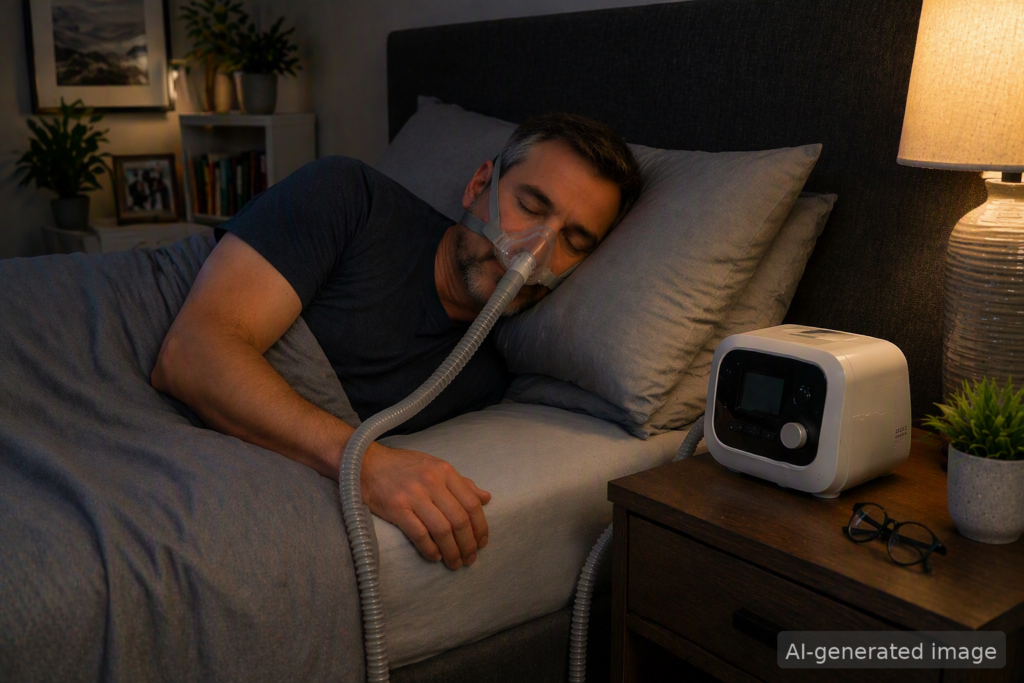
Sleep Apnea Therapy is a vital component of home respiratory care, primarily using Continuous Positive Airway Pressure (CPAP) devices to treat sleep apnea in a safe and reliable way. By providing a constant flow of air to keep the airways open during sleep, this therapy prevents breathing interruptions and maintains healthy oxygen levels.
It is the gold standard for restoring restorative sleep, reducing long-term cardiovascular risks and eliminating daytime fatigue for millions of patients worldwide.
Key Benefits
- Restorative Sleep: Eliminates snoring and frequent awakenings, leading to significantly improved daytime alertness and cognitive function.
- Cardiovascular Health: Reduces the strain on the heart by preventing sudden drops in blood oxygen levels and managing hypertension.
- Improved treatment adherence: using safe, quiet and reliable devices and ergonomic masks to ensure higher comfort levels.
Mechanical Ventilation
Mechanical Ventilation is a therapy provided at home for patients with respiratory diseases or complex neuromuscular conditions. By using sophisticated mechanical ventilators to assist or replace spontaneous breathing, this therapy ensures adequate pulmonary gas exchange and reduces the physical burden on respiratory muscles. It allows patients with severe conditions to receive high-level respiratory support while remaining at home.
Key Benefits
- Respiratory Support: Provides essential ventilation for patients who cannot breathe adequately on their own, significantly extending life expectancy.
- Improved Quality of Life: Reducing the work of breathing, alleviating chronic breathlessness and improving the quality of restorative rest.
- High-level Care at Home: Advanced, portable ventilators allow for complex monitoring and therapy, reducing the need for long-term stays in intensive care units.
The Future of Home Respiratory Care
The future is driven by digital innovation and patient-centered technology. Through telehealth, remote monitoring, AI functionalities and smart devices, healthcare is becoming more proactive and personalized.
These advancements bridge the gap between hospital and home settings, allowing homecare providers to ensure safe interventions and a higher quality of life for patients.
EIGA members remain committed to leading this transition by developing the safety standards and best practices required to integrate these new technologies into the homecare environment.